
7 Signs It's Time to Replace Your Floors
· By Anderson
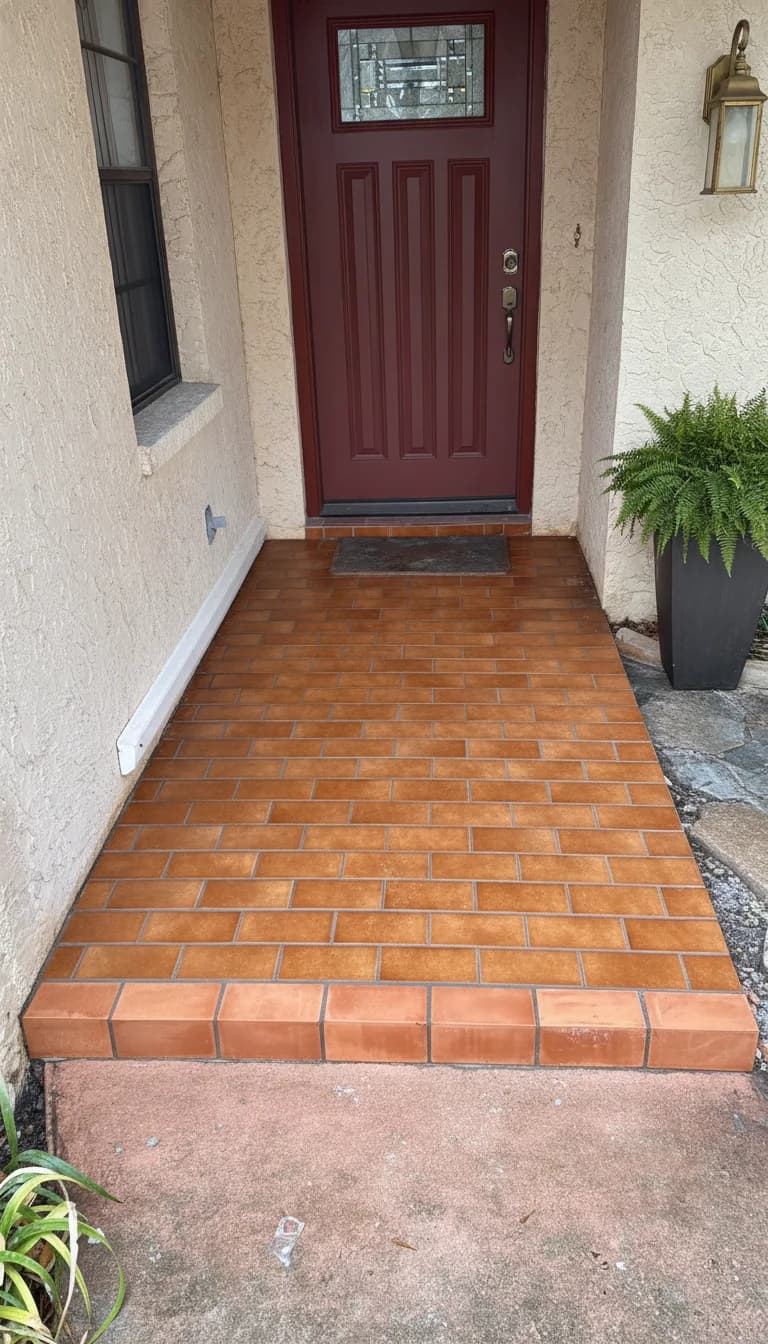
Floors take a beating that most people never notice until something goes wrong. You walk on them every day, drag furniture across them, spill on them, and track in sand and water without a second thought. Over time, that wear adds up, and at some point a repair stops making sense and a full replacement becomes the smarter move. The tricky part is knowing when you have crossed that line.
In the Tampa Bay area, humidity and moisture speed up a lot of flooring problems. Warm, damp air seeps into subfloors, grout, and plank seams, so issues that might take a decade to show up in a dry climate can appear here in just a few years. Below are seven clear signs you need new flooring, what each one actually means, and what to do about it before a small problem turns into an expensive one.
1. Cracked or Loose Tiles
A tile or two that cracks after something heavy gets dropped is normal, and it can usually be swapped out. But when tiles crack in a pattern, along a line, or in several rooms, that often points to a problem underneath, like a moving subfloor, a failed mortar bed, or slab movement. Loose or hollow-sounding tiles are a related warning: the bond between the tile and the surface below has broken down.
What to do: have a professional check whether the issue is cosmetic or structural. If only a handful of tiles are affected and the subfloor is solid, a repair may hold. If the cracking is widespread or keeps coming back, that usually means the installation or the base has failed, and replacing the floor with proper subfloor prep is the lasting fix, not another patch that cracks again in a year.
2. Cupping or Warping Planks
When wood or laminate planks start to cup (edges lifting higher than the center), curl, or buckle, moisture is almost always the cause. The material absorbs water, swells, and can no longer sit flat. In Florida, this is one of the most common flooring failures because ambient humidity alone can push moisture into planks that were not installed with the right acclimation or moisture barrier.
What to do: warped planks rarely flatten back out once they have swelled, so replacement is usually the honest answer. Just as important is fixing why it happened. Waterproofing, a proper moisture barrier, and a material suited to a humid climate (like quality luxury vinyl) will keep the new floor from repeating the same failure. Replacing the planks without addressing the moisture source is money spent twice.
3. Soft or Hollow Spots
If a section of floor feels spongy, bouncy, or sounds hollow when you step on it, do not ignore it. Soft spots often mean the subfloor beneath has weakened, sometimes from long-term moisture, a slow leak, or rot. Hollow areas under tile or vinyl usually mean the flooring has separated from the surface below and is no longer supported.
What to do: press on the area and note how far it spreads. A small isolated spot might be a localized repair, but a soft area that is growing, or several of them, signals subfloor damage that a surface fix cannot solve. This is a case where replacing the flooring along with the compromised subfloor is the safe route, because a weak base will destroy whatever you lay on top of it.
4. Water Damage or a Musty, Moldy Smell
Visible water staining, discoloration around baseboards, or a persistent musty smell that will not go away are strong signs of moisture trapped in or under the floor. A moldy odor especially is a red flag, because mold grows in the damp, dark space between the flooring and the subfloor, where you cannot see it. In a humid region like Tampa Bay, this can develop faster than homeowners expect.
What to do: treat this as urgent, not cosmetic. Trapped moisture and mold can affect indoor air quality and keep spreading. The floor usually needs to come up so the area can dry out, get treated, and be rebuilt with proper waterproofing underneath. Replacing the floor is often the only way to fully clear the problem, since simply covering it locks the moisture in.
5. Cracked Grout and Widening Gaps
Grout that is cracking, crumbling, or falling out, and gaps opening up between planks or tiles, are more than a tidiness problem. Those cracks and gaps let water reach the subfloor, which is exactly what you do not want in a humid climate. Once grout fails across a floor, or gaps become a recurring issue, it usually means the installation is aging out or the material is shifting.
What to do: a small area of failed grout can be re-grouted, and minor gaps sometimes get filled. But when the problem is everywhere, re-grouting is a temporary bandage on an old floor. Repeated cracking often points to movement or moisture that will keep breaking any new grout you apply. At that stage, a fresh install with correct prep and sealing solves the root cause instead of chasing it.
6. An Outdated Look That Hurts Resale
Not every reason to replace a floor is structural. Dated colors, heavy scratches, worn finish, and styles that clearly belong to another decade all drag down how a home feels and shows. Flooring is one of the first things buyers and guests notice, and tired floors can make an otherwise well-kept home look older and less cared for than it is.
What to do: if the floor is functionally fine but visually stuck in the past, replacement is a lifestyle and value decision rather than an emergency. New flooring is one of the more visible upgrades you can make, and it tends to lift the feel of the whole space, from the entryway to a backsplash or a refreshed bathroom. Costs vary widely by material and square footage, so it is best to get a specific quote for your home before you plan around a number.
7. Constant Maintenance and Repairs
If you find yourself regluing planks, re-grouting the same tiles, replacing pieces, or fighting stains that will not lift, the floor may be telling you it is done. There is a point where the time, hassle, and money spent keeping an old floor alive would be better put toward a new one that simply works. Repairs that keep coming back are usually a sign the underlying material or install has reached the end of its life.
What to do: add up what you have spent on repairs over the last year or two, and be honest about how the floor looks and feels afterward. When patch jobs no longer hold or no longer match, replacement is often the cheaper path over time. A floor installed correctly, with the right prep for a humid environment, should give you years of low-maintenance service instead of a running repair list.
What to Do Once You Spot the Signs
One sign on its own does not always mean you need a whole new floor, but several together usually do, and anything involving moisture or a soft subfloor should be looked at sooner rather than later. The safest move is an in-person assessment, since a professional can tell the difference between a repair that will last and a problem that will keep coming back.
If you are in the Tampa Bay area and any of these signs sound familiar, we offer a free estimate with no visit fee and same-day response, and we can walk you through options in English, Spanish, or Portuguese. Because Florida moisture drives so many flooring failures, we focus on proper subfloor prep and waterproofing so the new floor is built to last in this climate, not just installed and forgotten.
Frequently asked questions
- Should I repair or replace my flooring?
- Isolated damage on an otherwise solid floor can often be repaired. But when problems are widespread, keep coming back, or involve moisture and a soft subfloor, replacement is usually the more cost-effective choice because a surface fix will not solve the underlying cause.
- Why do floors fail faster in Florida?
- Humidity and moisture are the main reasons. Warm, damp air pushes moisture into subfloors, grout, and plank seams, which speeds up cupping, warping, mold, and grout failure. Proper waterproofing and subfloor prep are what keep a new floor from failing the same way.
- How much does it cost to replace flooring?
- It depends heavily on the material, the square footage, and the condition of the subfloor, so costs vary widely. The most reliable number comes from an in-person estimate for your specific space. We provide a free estimate with no visit fee so you know what to expect before deciding.
- How long does a floor replacement take?
- Timing depends on the size of the area, the material chosen, and whether the subfloor needs repair or drying out first. A single room is usually much faster than a whole home. We can give you a realistic timeline during your free estimate once we have seen the space.
Related services
Serving
Found this helpful? Make us a preferred source on Google.
Ready for an exact price?
Get a free, no-pressure in-home estimate. Real numbers for your home, not a phone guess.