
How Long Does Flooring Installation Take?
· By Anderson
One of the first questions homeowners ask before starting a project is simple: how long does flooring installation take? The honest answer is that it depends on the material, the size of the space, and the condition of what is underneath. A small backsplash can wrap up in a day or two, while a full home remodel can run a week or more once you factor in prep, drying time, and finishing details.
Understanding the timeline up front helps you plan around daily life, whether that means blocking off a bathroom, moving furniture, or arranging for pets and kids. This guide breaks down realistic timelines by project type, explains the factors that speed things up or slow them down, and covers why cutting corners on prep is a costly mistake in the Florida climate.
Typical Timelines by Project Type
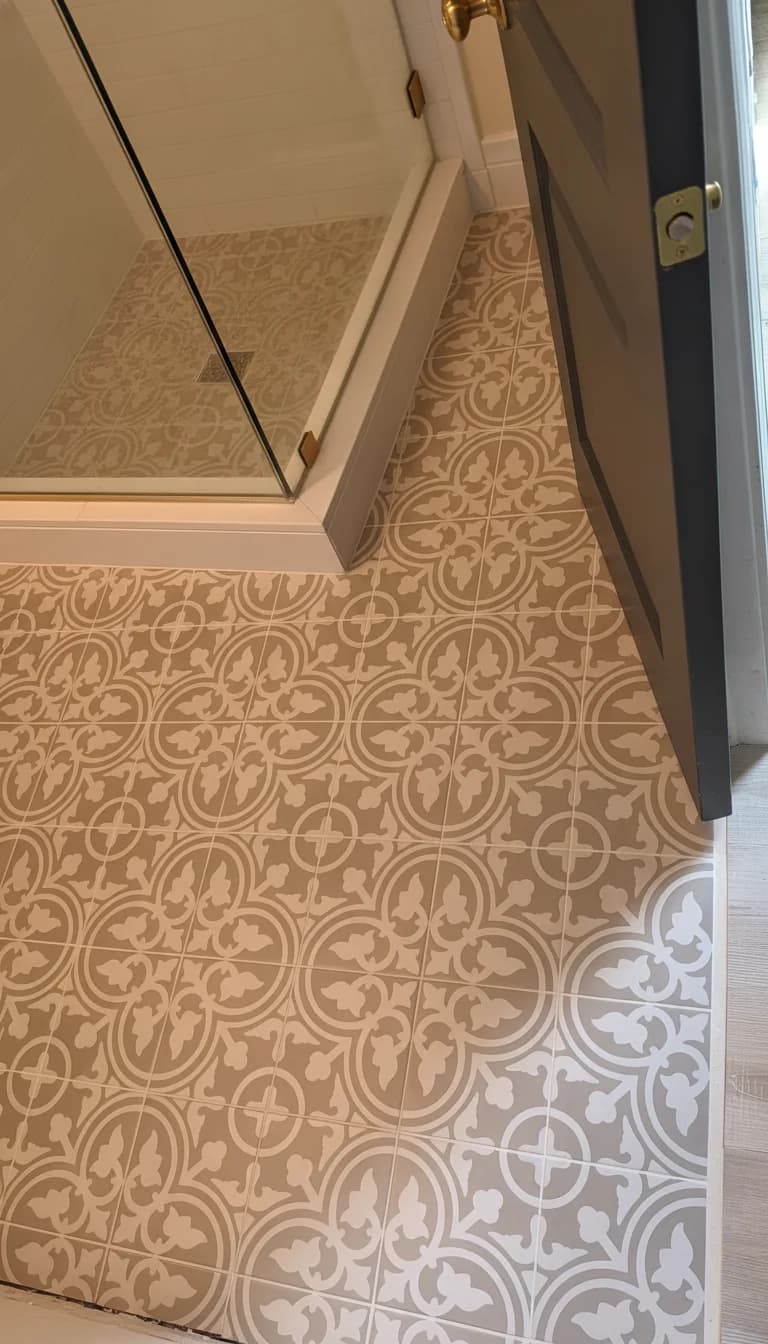
Timelines vary widely, but here are realistic ranges for common projects. A tile backsplash usually takes one to two days, since it covers a small vertical area, though grouting and sealing add a bit of drying time. A single bathroom, including tile floor and shower or tub surround, often runs two to four days once demolition, waterproofing, tile setting, and curing are accounted for.
A single room of vinyl plank or laminate can often be completed in one to two days, since the material clicks together and needs little cure time. Tile in that same room takes longer, generally two to three days, because of mortar and grout. A whole home floor replacement is the biggest commitment, commonly running five to ten working days or more depending on square footage, the number of rooms, and how much prep the existing subfloor needs.
These ranges assume a straightforward layout and a subfloor in reasonable shape. Add complexity, and the schedule extends. It helps to think of the estimate as a window rather than a fixed promise, since crews adjust as they uncover what is under the old flooring.
Why Vinyl and Laminate Install Faster Than Tile
Not all flooring moves at the same pace. Luxury vinyl plank and laminate are floating floors in most installations, meaning the planks lock together and sit over an underlayment without adhesive or mortar. That removes the biggest time sink in tile work, which is waiting for materials to set and cure. A skilled crew can cover a lot of ground in a single day with vinyl.
Tile is slower by nature. Each piece is set in thinset mortar, spaced, leveled, and left to cure before anyone can walk on it or apply grout. Grout then needs its own drying window before sealing. Larger format tiles and simple grid patterns go faster, while mosaics, herringbone, and diagonal layouts take considerably more time per square foot because of the extra cuts and alignment.
The Factors That Stretch the Schedule
Several things push a timeline longer than the base estimate. Subfloor prep and leveling is the biggest one. If the existing surface is uneven, cracked, or damaged, it has to be corrected before new flooring goes down, and self-leveling compound needs time to cure. Demolition of old flooring, especially glued-down tile or multiple layers, adds hours or even a full day.
Square footage is the obvious driver, but so is the number of separate rooms, closets, and transitions, since each edge and doorway needs its own cuts and trim. Complex tile patterns, borders, and inlays slow the pace. Drying and cure times for mortar, grout, and leveling compound are fixed and cannot be safely rushed. Finishing work like baseboards, quarter round, and thresholds adds a final phase after the main floor is down.
Material acclimation is another step homeowners often overlook. Many wood, laminate, and even some vinyl products need to sit in the home for a day or two before installation so they adjust to the indoor temperature and humidity. Skipping this can cause gaps or buckling later.
Why Rushing Prep Backfires in Florida
In the Tampa Bay area, humidity and moisture make prep more important than almost anywhere else. A subfloor that is not clean, dry, and level, or a wet area that is not properly waterproofed, will trap moisture. Over time that leads to warped planks, popped tiles, failing grout, and even mold underneath a floor that looked perfect on install day.
This is exactly where trying to compress the schedule causes problems. Waterproofing membranes and leveling compounds need their full cure time to do their job, and Florida moisture punishes any shortcut. Prime Line Flooring focuses on thorough subfloor prep and waterproofing built for the local climate, which sometimes adds a day to the front of the job but protects the finished floor for years. A slightly longer timeline is far cheaper than tearing out a floor that failed early.
How to Plan Around the Installation
A little planning keeps the project smooth. Clear the rooms of furniture and breakables before the crew arrives, or confirm whether moving furniture is included in your quote. For a kitchen or bathroom, plan for that space to be out of use for the full duration, and set up an alternate if you only have one bathroom.
Ask your installer for a day-by-day outline so you know when demolition, prep, setting, and finishing happen. Keep pets and small children away from work zones and freshly set tile. If you work from home, expect noise during demolition and cutting. Building in a small buffer beyond the quoted window is smart, since surprises under the old floor are common and a good crew will pause to fix them rather than cover them up.
How Cost and Timeline Relate
Homeowners often assume a faster job means a cheaper one, but that is not always true. Pricing depends on material, square footage, and the amount of prep required, and every market is different, so treat any figure you see online as a rough range rather than a firm quote. The most reliable way to know both cost and timeline is an in-person assessment where an installer can measure the space and inspect the subfloor.
A thorough estimate should spell out the scope, the materials, and a realistic schedule, including prep and cure time. Prime Line Flooring offers free estimates with no trip charge and same-day response across the Tampa Bay region, in English, Spanish, and Portuguese, so you can get a clear picture of your specific project before committing to anything.
Frequently asked questions
- How long does it take to install flooring in a single room?
- Vinyl plank or laminate in one room is often done in one to two days, while tile in the same room usually takes two to three days because mortar and grout need time to cure. Extra prep or a complex pattern can add time.
- How long does a tile backsplash take to install?
- Most kitchen backsplashes take one to two days. The tile is set on day one, and grouting and sealing follow once the mortar has set, which adds some drying time before the area is fully finished.
- Can flooring installation be rushed to finish faster?
- The labor can move quickly, but cure times for mortar, grout, waterproofing, and leveling compound are fixed and should never be rushed. In humid Florida conditions, skipping proper drying or prep often leads to warping, failed grout, or moisture damage down the road.
- Do I need to leave my home during installation?
- Usually not, but you should plan for the work area to be off-limits. Expect noise during demolition and cutting, keep pets and children away from freshly set tile, and arrange an alternate bathroom if your only one is being redone.
Related services
Serving
Found this helpful? Make us a preferred source on Google.
Ready for an exact price?
Get a free, no-pressure in-home estimate. Real numbers for your home, not a phone guess.