
How to Choose the Right Flooring for Your Home
· By Anderson
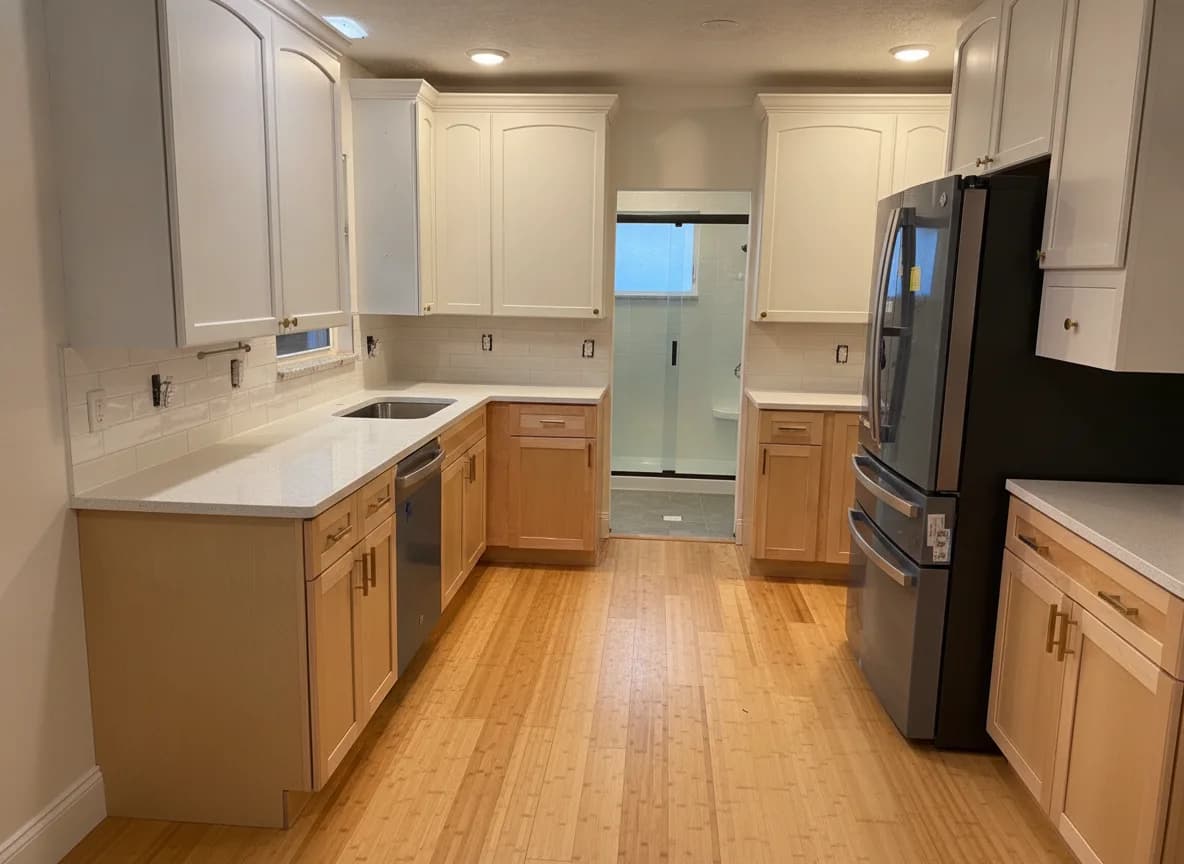
Choosing new flooring feels simple until you stand in the store and see fifty options that all look great in the display. The truth is that the best floor for your home is not the prettiest sample. It is the one that matches how you actually live, what the room has to deal with, and the climate outside your door. A floor that thrives in a dry mudroom in Colorado can fail fast in a humid Florida bathroom.
This guide walks you through how to choose flooring the way a professional installer thinks about it. We will cover the decision factors that matter most, the strongest material options and where each one shines, how to pick room by room, and why subfloor prep and a careful installer make or break the result in the Tampa Bay area. By the end you should be able to shortlist the right product for every space with confidence.
Start With How the Room Is Used
Before you look at a single sample, list what each room has to handle. Foot traffic is the first filter. A busy entryway, kitchen, or hallway needs a hard-wearing surface, while a guest bedroom can get away with something softer and more decorative. High-traffic zones favor porcelain tile or a quality rigid vinyl, both of which resist scratching and dents better than softer materials.
Moisture is the second and, in Florida, the most important filter. Bathrooms, laundry rooms, kitchens, and anything on a slab near the ground carry real humidity and spill risk. Water-prone spaces call for materials that will not swell, warp, or grow mold when they get wet. This single factor rules out solid hardwood in most wet rooms and pushes you toward tile or waterproof vinyl.
Factor In Pets, Kids, and Everyday Wear
Homes with dogs, cats, or young children need floors that shrug off claws, dropped toys, and frequent cleaning. Scratch and dent resistance becomes a priority, and so does a surface that wipes clean without special products. Porcelain tile is nearly bulletproof here, and rigid vinyl planks with a tough wear layer hold up well against pet nails and heavy play.
Comfort underfoot is the flip side of durability, and it is easy to overlook. Tile is hard and cool, which feels great in a Florida summer but can be tiring in a room where you stand for long stretches. Vinyl plank has a bit more give and warmth, which many families prefer in living areas and bedrooms. Think about where you spend the most barefoot time and let comfort weigh into those specific rooms.
Set a Realistic Budget That Includes Installation
Flooring budgets slip because people price only the material and forget everything that goes under and around it. A complete number includes the product, underlayment, transitions, trim or baseboards, old floor removal, and labor. Skipping the extras in your planning is how a project that looked affordable in the store turns into a surprise at the quote stage.
Costs vary widely by material and region, so treat any figure as a general range rather than a fixed price. In broad terms, vinyl plank tends to sit at the friendlier end, porcelain tile in the middle, and natural stone at the higher end once you add specialized labor. For an accurate number, get an in-home measurement and estimate. Prime Line Flooring offers free estimates across Tampa Bay with no visit fee, so you can compare real options for your space without commitment.
Weigh Look, Maintenance, and Resale
Style matters, but pair it with honest maintenance expectations. Wood-look vinyl gives you the warm plank appearance most buyers want with almost no upkeep beyond sweeping and the occasional mop. Natural stone and some tile look stunning but may need periodic sealing or more careful cleaning. Choose a look you love, then confirm you are comfortable with the routine that keeps it looking that way.
Resale value is worth a quick thought even if you plan to stay. Neutral, cohesive flooring that flows from room to room reads as updated and clean to future buyers. Trend-chasing colors or a patchwork of different materials in adjoining spaces can date a home fast. A consistent wood-look plank or a classic tile in main living areas is a safe, broadly appealing choice that protects your investment.
Know Your Main Material Options
Porcelain tile is the workhorse of moisture and durability. It is fully waterproof, extremely scratch resistant, and ideal for bathrooms, kitchens, laundry rooms, and entryways. It stays cool underfoot, which is a genuine benefit in the Florida heat. The trade-offs are hardness underfoot and a more involved installation that rewards an experienced installer.
Luxury vinyl plank, including rigid SPC cores, has become the go-to for whole-home projects. It is waterproof or highly water resistant, softer and warmer than tile, and available in convincing wood and stone looks. It handles pets and kids well and installs over many existing surfaces. It shines in living rooms, bedrooms, hallways, and family spaces where you want warmth and easy care.
Natural stone such as marble, travertine, or slate delivers a high-end, one-of-a-kind look. It is durable and adds real character, but it is porous, so it needs sealing and gentler maintenance, and it carries a higher material and labor cost. Stone shines as a statement in entryways, feature bathrooms, and backsplashes rather than as a budget whole-home floor.
Choose Room by Room
Bathrooms and laundry rooms are moisture-first zones, so lean on porcelain tile or waterproof vinyl and skip anything that swells when wet. Kitchens handle spills and traffic, which makes tile or rigid vinyl a smart pairing of durability and easy cleanup. If comfort underfoot matters at the sink, vinyl edges ahead.
Living rooms, bedrooms, and hallways reward warmth and a seamless look, where luxury vinyl plank usually wins. Entryways take the brunt of dirt, sand, and rain tracked in from outside, so a hard, waterproof surface like tile or a tough vinyl protects the rest of the home. Matching your material to each room, rather than buying one product for the whole house, is the single biggest upgrade to how a floor performs long term.
Why Subfloor Prep and the Installer Matter in Florida
The finest flooring in the world will fail over a bad subfloor. In the Tampa Bay area, high humidity and concrete slabs that sit close to the ground make moisture control essential. A proper installation checks the slab for moisture, levels any dips or high spots, and adds the right moisture barrier or waterproofing before a single plank or tile goes down. Skip that step and you invite cupping, hollow tile, mold, and failed adhesive.
This is exactly where a careful local installer earns their keep. Prime Line Flooring focuses on Florida-specific subfloor prep and waterproofing so your floor holds up to the climate, not just the day it was installed. When you choose an installer, ask how they handle moisture on slabs and how they level the subfloor. The answer tells you whether your new floor will still look right in five years.
A Simple Flooring Decision Checklist
Run each room through these questions before you buy. Does it get wet or humid, and if so, is the material truly waterproof? How much traffic does it see, and can the wear layer or tile finish take it? Do pets or kids demand extra scratch and stain resistance? How much standing time happens here, and does comfort underfoot matter?
Then zoom out. Does your budget include removal, prep, trim, and labor, not just the product? Do the materials flow well from room to room for a cohesive, resale-friendly look? Are you comfortable with the maintenance the material needs? Finally, has your installer confirmed a plan for subfloor prep and moisture control? If you can answer yes down the list, you have chosen the right floor for your home.
Frequently asked questions
- What is the best flooring for a humid Florida home?
- For wet or humid rooms like bathrooms, kitchens, and laundry rooms, porcelain tile and waterproof luxury vinyl plank are the strongest choices. Both resist moisture, and tile in particular stays cool and holds up to the Florida climate. Whatever you pick, proper subfloor moisture control is what keeps it performing over time.
- Should I use the same flooring throughout the whole house?
- Not necessarily. Matching the material to each room usually performs better, using tile or waterproof vinyl in wet zones and warmer vinyl plank in living areas and bedrooms. To keep the look cohesive and resale-friendly, choose products in a consistent color family so the transitions feel intentional rather than random.
- How much does new flooring cost?
- Costs vary widely by material, room size, and prep needed, so treat any figure as a general range. Vinyl plank tends to be more budget friendly, porcelain tile mid-range, and natural stone higher once labor is added. Remember to include removal, subfloor prep, trim, and installation. A free in-home estimate gives you the most accurate number.
- Why does subfloor preparation matter so much?
- The subfloor is the foundation your new floor relies on. In Florida, humidity and slab moisture can cause tile to loosen or vinyl to fail if the base is not checked, leveled, and moisture-protected first. Good subfloor prep and waterproofing prevent cupping, hollow spots, and mold, which is why it is worth choosing an installer who takes it seriously.
Related services
Serving
Found this helpful? Make us a preferred source on Google.
Ready for an exact price?
Get a free, no-pressure in-home estimate. Real numbers for your home, not a phone guess.