
Tile vs Luxury Vinyl Plank: Which Is Right for Florida Homes?
· By Anderson
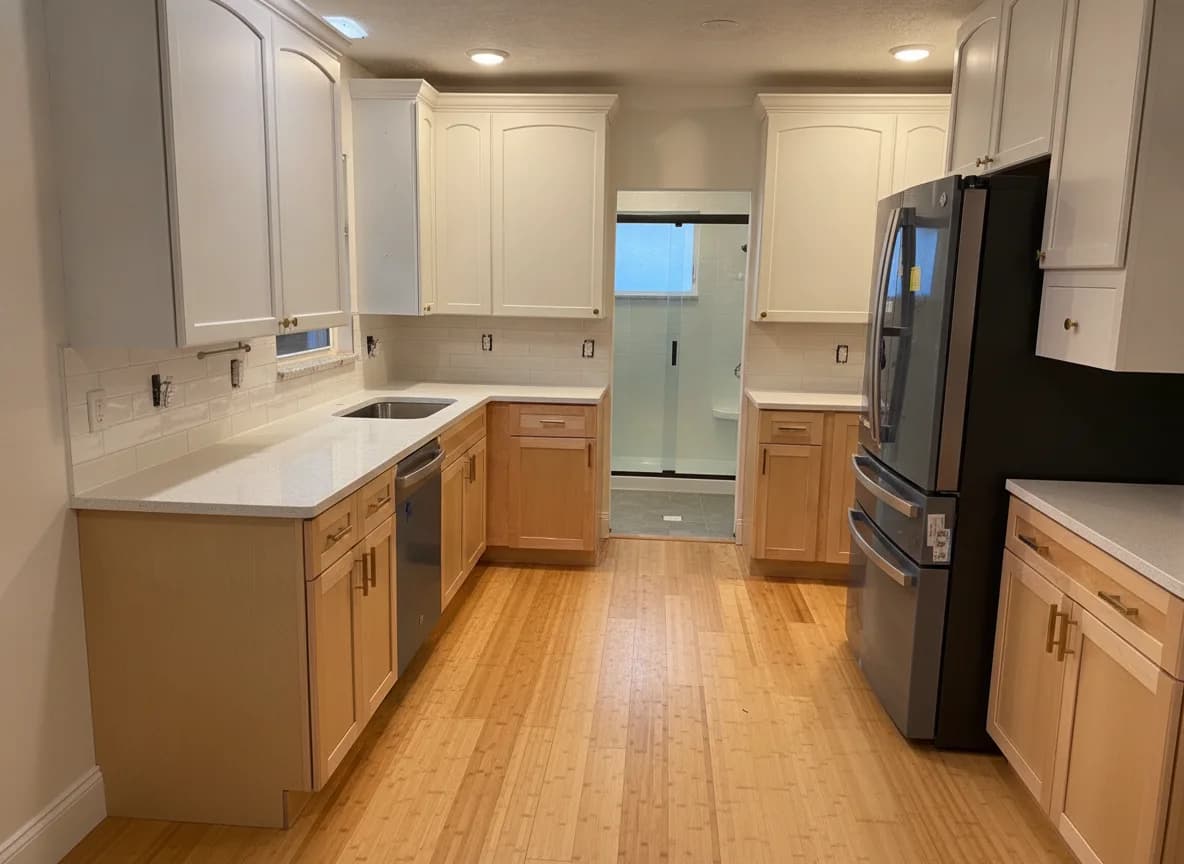
If you are updating floors in a Tampa Bay home, the tile vs vinyl plank flooring decision comes up almost immediately. Both are popular, both handle Florida life well, and both look far better than they did a decade ago. The catch is that they behave very differently once you factor in humidity, concrete slabs, and the way we actually live down here with sandy shoes, pool traffic, and summer storms.
This guide breaks the choice down the way we would walk a homeowner through it in person. We compare porcelain and ceramic tile against luxury vinyl plank (LVP) and its rigid cousin SPC across cost, durability, waterproofing, comfort, looks, resale, and maintenance. Then we give you a room-by-room recommendation so you are not guessing. Prime Line Flooring installs both across Tampa Bay, and the right answer usually depends less on which product is best and more on which room you are standing in.
The quick version: what each material is
Tile in most Florida homes means porcelain or ceramic. Porcelain is denser and less porous than ceramic, which makes it the go-to for wet areas and heavy traffic. Both are fired clay products set in mortar over a prepared subfloor, then grouted. Once installed correctly, tile is essentially a permanent, mineral-hard surface.
Luxury vinyl plank is a multi-layer synthetic plank that clicks or glues together to mimic wood or stone. Standard LVP has a flexible core, while SPC (stone plastic composite) uses a rigid mineral core that resists dents and telegraphing from the subfloor below. Both are fully waterproof at the plank level and install faster than tile because there is no mortar or grout curing time.
Cost: upfront and over time
For materials, LVP usually lands in a lower range than quality porcelain tile, and its installation is faster and less labor-intensive because there is no mortar bed, grout, or lengthy cure. Tile costs more to install because it is a skilled, slower process, and Florida slabs often need crack isolation or leveling first. As a rough market range, LVP installed commonly runs a few dollars per square foot on the lower end, while tile installed sits higher; your real number depends on material grade, subfloor condition, layout, and room size. For an exact figure on your home, a free on-site estimate is the only honest way to price it, and Prime Line Flooring does not charge a visit fee.
Over time the math shifts. Tile can last for decades and rarely needs replacing, so the cost per year of service is low. LVP is more affordable up front but has a shorter service life and can be harder to repair invisibly if a plank is damaged. If you plan to stay long term, tile often wins on lifetime value. If you want a fast, budget-friendly refresh or you are updating a rental, LVP usually makes more sense.
Durability and how Florida life treats each
Tile is the tougher surface. Porcelain shrugs off scratches, pet claws, dropped pans, and the fine grit that rides in on sandy feet after a beach day in St. Petersburg. It will not fade under the strong Florida sun near big windows or sliders. The main vulnerabilities are chips from a heavy dropped object and cracks if the slab moves and the tile was not installed with proper crack isolation.
LVP is impressively resilient for a softer product. The wear layer resists scratches and scuffs, and the plank format hides everyday wear well. SPC in particular handles dents and heavy furniture better than flexible LVP. Its weak points are prolonged direct sun, which can cause some products to fade or expand, and sharp point loads that can gouge the wear layer. Choosing a UV-stable product and keeping large windows shaded helps a lot in a Florida room.
Waterproofing and humidity: the Florida factor
This is where Florida changes the conversation. Both materials are waterproof at the surface, but a floor is a system, not just a top layer. Porcelain tile plus the right waterproofing membrane and mortar is the most water-resistant assembly you can put in a bathroom or laundry room, which is why it is the standard for showers and wet zones. Grout should be sealed, and with a proper membrane below, standing water and steam are non-issues.
LVP is waterproof plank to plank, but water can still travel through the seams and sit on the subfloor if a leak goes unnoticed, which is a real concern over a concrete slab that holds moisture. That is why subfloor prep matters as much as the flooring itself. In Florida our slabs give off moisture vapor year-round, and a floor installed without a proper moisture barrier and leveling can cup, peel, or trap humidity underneath. Prime Line Flooring focuses on subfloor prep and moisture management for exactly this reason, because the best plank in the world will fail on a slab that was not handled right.
Comfort, temperature, and sound
Tile is hard and cool underfoot. In Florida that cool feel is a genuine perk in summer, and it pairs beautifully with air conditioning. The trade-offs are that tile is unforgiving to stand on for long stretches, less forgiving if you drop a glass, and can be loud, echoing footsteps and pet nails in an open plan. Area rugs solve most of that.
LVP is warmer, quieter, and softer underfoot, with a little give that is easier on knees and backs in kitchens and playrooms. Many products include or accept an attached pad that further dampens sound. If comfort and a cozy feel matter more than a cool, hard surface, LVP has the edge in living spaces and bedrooms.
Looks, style, and resale value
Both materials look excellent today. Porcelain can convincingly imitate marble, travertine, and wood-look planks with a stone-hard finish, and large-format tile with tight grout lines reads as modern and clean. LVP nails realistic wood grain and comes in wide planks that suit the coastal, casual look many Tampa Bay homes want, and it can flow seamlessly across an open floor plan.
On resale, tile tends to carry a premium perception, especially in bathrooms, kitchens, and entryways, because buyers see it as permanent and high-end. LVP is widely accepted and no longer reads as a budget compromise when the product is good and the install is clean, but wall-to-wall vinyl in a higher-end home may feel like a downgrade to some buyers. A common winning strategy is tile in wet and high-visibility areas and LVP in bedrooms and living zones.
Maintenance and repair
LVP is the low-maintenance champion for daily cleaning. Sweep and damp mop, no sealing, no special products, and it forgives standing water while you wipe it up. The catch is repair: a badly damaged plank in the middle of a floor can be tricky to swap, and finding an exact match years later is not guaranteed, so keeping a few spare planks is smart.
Tile is nearly maintenance-free on the surface, but grout needs periodic cleaning and resealing to stay looking fresh and to keep moisture out, which matters in humid Florida. The upside is repairability in reverse: a single cracked tile can be replaced without touching the rest of the floor, though matching older tile can also be a challenge. Overall tile asks for a little grout upkeep, while LVP asks for almost nothing but is harder to fix invisibly.
Which should you pick? A room-by-room guide
Kitchen: LVP is often the sweet spot for comfort underfoot during long cooking sessions and easy cleanup, but tile is the better call if you want maximum durability and a high-end look and you do not mind a harder surface. Bathrooms: porcelain tile wins, especially in showers and around tubs, because of its superior waterproof assembly and resale appeal; LVP works for a powder room or a fast refresh on a budget.
Living areas: LVP usually takes it for warmth, quiet, and a seamless wood look across open plans, though tile is a strong pick if you run heavy pet traffic or want a cool floor in the Florida heat. Whole-home: a hybrid approach reads best to buyers, with tile in wet and entry zones and LVP flowing through bedrooms and living space. Rentals and quick flips: LVP almost always wins on speed, cost, and easy turnovers between tenants. Whichever way you lean, the outcome comes down to subfloor prep and a clean install, and a free Prime Line Flooring estimate across Tampa Bay will tell you exactly what your slab needs and what your project should cost.
Frequently asked questions
- Is tile or vinyl plank better for Florida humidity?
- For wet rooms like bathrooms and laundry, porcelain tile with a proper waterproofing membrane is the safest choice in Florida's humidity. LVP is waterproof at the plank but needs a correct moisture barrier and subfloor prep over a slab, or trapped vapor can cause cupping or peeling. Both work well when installed right, and prep is the deciding factor.
- Which is cheaper, tile or luxury vinyl plank?
- Luxury vinyl plank is usually cheaper to buy and install than quality porcelain tile because it needs no mortar or grout and installs faster. Tile costs more up front but can last decades, so its cost per year is often lower. These are general market ranges; for an exact price on your home, request a free on-site estimate with no visit fee.
- Can I put luxury vinyl plank over a concrete slab in Florida?
- Yes, LVP is commonly installed over concrete slabs in Tampa Bay homes, but the slab must be flat, clean, and managed for moisture. Florida slabs release vapor year-round, so a proper moisture barrier and leveling are essential. Skipping subfloor prep is the most common cause of vinyl floors that fail early.
- Does tile or vinyl plank add more resale value?
- Tile is generally perceived as a premium, permanent surface and adds strong value in bathrooms, kitchens, and entryways. Quality LVP is widely accepted and looks great across living areas and bedrooms. Many Florida homeowners get the best of both by using tile in wet and high-traffic zones and LVP in bedrooms and living space.
Related services
Serving
Found this helpful? Make us a preferred source on Google.
Ready for an exact price?
Get a free, no-pressure in-home estimate. Real numbers for your home, not a phone guess.